Introduction
You’re not alone if you find yourself binge-watching murder documentaries, reading cold case blogs, or spending hours listening to true crime podcasts. Millions of people do. True crime has become one of the most consumed genres in entertainment, but why? What draws us to stories of violence, mystery, and human depravity? Are we morbidly curious, or is there something deeper going on? The answer lies at the intersection of psychology, emotion, and survival instinct. Here’s a closer look at why we can’t escape true crime.
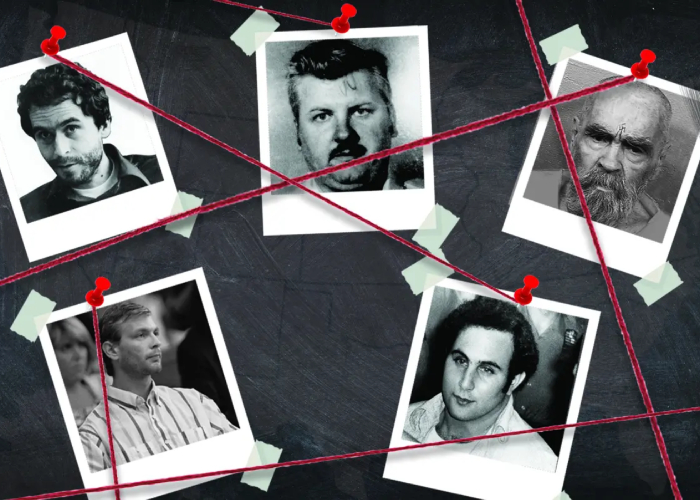
It Taps into Our Primal Instincts
Humans are hardwired for survival. When we hear about dangerous situations—like abductions, murders, or cons—we instinctively want to learn how to avoid them. True crime satisfies that primal need to understand threats and identify red flags. Whether we realize it or not, we’re gathering information that could help us stay safe in the real world.
It’s the same reason many true crime fans say they “watch to know what not to do.” Learning how someone became a victim helps people feel more in control. That illusion of preparedness is comforting, even when the story itself is terrifying.
The Allure of the Unknown
At its core, true crime is storytelling. There’s a beginning, a middle, and—sometimes—a resolution. But it’s the uncertainty that grips us. We want to know who did it, why, and whether they’ll get caught. That suspense activates the brain’s reward center, releasing dopamine and returning us for more.
Cold cases, in particular, trigger this response. With every new theory or piece of evidence, we feel like we’re part of the investigation. It’s a mental puzzle with high emotional stakes, and solving it—even in theory—feels satisfying.
Empathy and Emotional Catharsis
True crime often focuses on victims and their families, allowing us to feel empathy and even grief for people we’ve never met. For some viewers, these stories offer a safe way to explore deep, dark emotions from a distance. They let us process fear, sadness, and outrage in a controlled environment.
In other cases, true crime can be a source of healing. People who’ve experienced trauma may find comfort in seeing justice served—or simply in knowing they’re not alone. The genre creates space for shared outrage, resilience, and reflection.
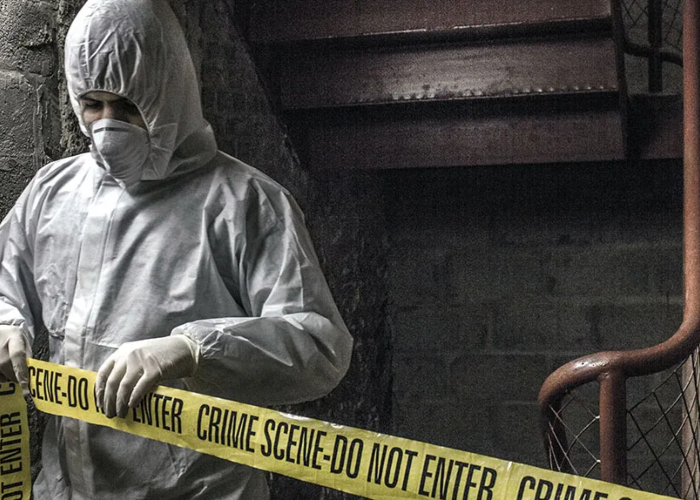
Fascination with the Criminal Mind
Let’s face it: we’re intrigued by people who break the rules—especially when they break them in shocking or unthinkable ways. Understanding the psychology of killers, con artists, and cult leaders is both horrifying and fascinating. What made them this way? Could it happen to anyone? Are they born or made?
Serial killers in particular often have a disturbing charm or complexity that makes them oddly compelling. Their lack of remorse, calculated decisions, and ability to lead double lives challenge our basic understanding of humanity. Trying to make sense of their motives is like staring into a void, and trying to find meaning.
A Safe Space for Fear
Ironically, consuming true crime can make us feel safer. Watching a documentary about a killer who’s already been caught or hearing about a crime that happened far away creates a safe distance between you and the danger. You can experience fear in a controlled way, like a horror movie with real-world stakes.
Experts call this “benign masochism”—the idea that we enjoy things that trigger fear or discomfort, as long as we know we’re safe. It’s the same reason people love roller coasters, spicy food, or scary movies. True crime offers fear with guardrails.
The Role of Justice
Another major appeal of true crime is the pursuit of justice. Seeing investigators track down a killer, watching a trial unfold, or hearing about a wrongful conviction being overturned gives us a sense of moral balance. In a world where injustice often goes unchecked, true crime can feel like a place where truth eventually wins.
Even when justice isn’t served, the outrage it stirs can be empowering. Listeners and viewers feel compelled to advocate, donate, or raise awareness for real victims. In that way, true crime doesn’t just entertain—it activates.
The Best and Worst of Humanity
Our obsession with true crime isn’t just about blood and gore. It’s about psychology, emotion, curiosity, and control. These stories reflect the best and worst of humanity, and in trying to understand them, we try to understand ourselves. Whether we’re seeking insight, catharsis, or simply a good mystery, true crime offers a mirror. And what we see in it is often far more complex than we expect.