Introduction
When a serial killer is on the loose, traditional policing can only go so far. That’s when the FBI’s Behavioral Analysis Unit (BAU) steps in. These elite profilers dig deep into the psychology of repeat offenders, using behavior, not just evidence, to predict their next move, identify patterns, and narrow the suspect pool. While Hollywood often dramatizes their methods, the real work is grounded in years of data, interviews, and psychological science. So, how do FBI profilers catch serial killers? The answer lies in knowing how to think like one.
Step 1: Crime Scene Analysis
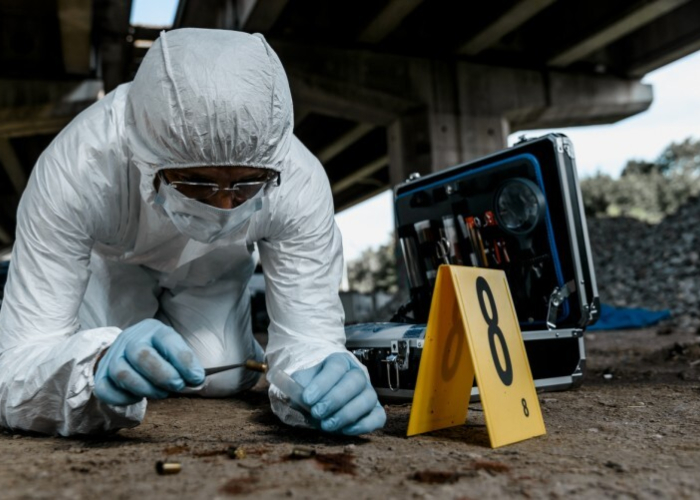
Every profile starts with the crime scene. It’s not just about blood or bodies—it’s about behavioral clues left behind. Was the crime methodical or chaotic? Was the victim posed or left where they fell? Did the killer leave behind personal items or take trophies?
These small details reveal volumes about the perpetrator. For example, a well-hidden body may indicate a killer who wants control, while a brutal, public display could signal rage or a need for recognition.
Step 2: Victimology
Profilers then shift focus to the victims. Who were they? How were they selected? Did they share traits—age, appearance, lifestyle, occupation? Victimology helps answer whether the killer knew them, targeted them for a reason, or chose them at random.
Understanding the relationship between the killer and the victim is crucial. A killer who targets strangers may behave very differently from one who targets someone from their personal life.
Step 3: Behavioral Typing
Using crime scene evidence and victim analysis, profilers categorize the killer’s behavior:
- Organized: Controlled, planned, manipulative. Often intelligent and socially competent.
- Disorganized: Impulsive, erratic, often mentally unstable, or under the influence.
- Mixed: Shows elements of both, which can suggest evolving behavior or multiple offenders.
This behavioral typing can indicate everything from the killer’s living situation and job type to possible mental illness or trauma.
Step 4: Creating the Profile
With enough data, a profiler constructs a detailed psychological and demographic sketch of the unknown subject—often called the “unsub.” A typical profile might include:
- Approximate age and race
- Marital status and employment
- Education level
- Criminal history
- Personality traits (narcissism, sociopathy, compulsions)
- Possible triggers or life stressors
The goal isn’t to provide an exact identity, but to help law enforcement focus their investigation, rule out irrelevant suspects, and anticipate the killer’s next move.

Step 5: Predictive Analysis
Profilers don’t just analyze past behavior—they try to predict future actions. This includes:
- When and where the killer may strike again
- How their behavior may escalate or change
- What patterns (time of day, victim type, method) are consistent
This predictive work has helped law enforcement set up surveillance traps, undercover operations, and behavioral baiting strategies that have led to direct arrests.
Notable Cases Where Profiling Played a Key Role
The BTK Killer (Dennis Rader)
The FBI created a profile suggesting a methodical, family-oriented man with a mundane job and strong religious background. Rader matched nearly every point. His eventual capture in 2005 was aided by behavioral clues and baited communication with police.
Ted Bundy
Profilers warned authorities that the killer was likely intelligent, charismatic, and mobile—a prediction that matched Bundy, who eluded capture by traveling across state lines and manipulating his victims.
Green River Killer (Gary Ridgway)
The FBI’s early profiling work helped narrow the killer to someone who was socially functional but emotionally detached. It took decades, but DNA eventually confirmed Ridgway’s guilt in 49 murders, many of which fit the original behavioral profile.
The Role of Interviews
FBI profilers also conduct in-depth interviews with captured serial killers to refine their models. This process began in the 1970s and formed the foundation of modern behavioral analysis. Conversations with killers like Ed Kemper, Richard Speck, and Charles Manson revealed patterns that now inform how future cases are profiled.
These interviews help answer crucial questions:
- Why did they choose those victims?
- What did the act of killing mean to them?
- What could have stopped them?
Limitations and Criticism
Profiling is not foolproof. Some critics argue it’s too subjective or based on outdated psychological models. Others worry it can lead to tunnel vision, focusing investigations on the wrong type of suspect.
Still, when combined with physical evidence and investigative work, profiling remains a critical tool, especially in complex cases where the killer is a ghost in the system.
Bridge That Gap
Catching a serial killer isn’t just about forensics—it’s about getting into the mind of someone who doesn’t think like the rest of us. FBI profilers bridge that gap, using insight, research, and experience to anticipate the next move of the most dangerous people alive. They may not always wear bulletproof vests or carry guns—but make no mistake: they’re some of the most powerful weapons in the fight for justice.