Introduction
For most people, prison is where justice ends. But in some corners of the world, it’s where the horror begins. These facilities aren’t just holding cells—they’re battlegrounds, torture chambers, and psychological war zones. Overcrowded, corrupt, and violently lawless, the world’s most dangerous prisons are more terrifying than the crimes that put people there. Inside these walls, survival isn’t guaranteed—and freedom is often a distant fantasy. Here’s a chilling look into the most brutal prisons on Earth.
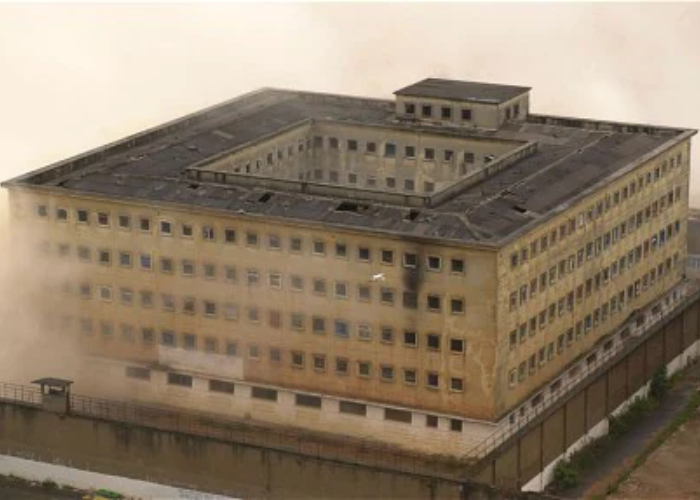
1. Carandiru Penitentiary (Brazil)
Before it was shut down in 2002, Carandiru was synonymous with chaos. Located in São Paulo, Brazil, the prison once held more than 8,000 inmates, far exceeding its capacity. Violence was routine, medical care was nonexistent, and the strong preyed on the weak.
The most infamous moment came in 1992, when police stormed the facility to quell a riot. By the time it was over, 111 prisoners had been killed—most shot execution-style. The Carandiru massacre remains a dark symbol of institutional brutality.
2. La Sabaneta Prison (Venezuela)
Known for its overcrowding and lack of control, La Sabaneta in Venezuela was a literal hellhole. Inmates ran the show—armed, organized, and brutal. Guards rarely entered cell blocks and were frequently bribed or threatened into silence.
Diseases spread unchecked, and gangs enforced their own rules with machetes and firearms. In 1994, a riot claimed over 100 lives, and mass graves were later uncovered. Even basic needs like water or medical treatment were a luxury, making La Sabaneta a place where only the cruelest survived.
3. Bang Kwang Central Prison (Thailand)
Nicknamed the “Bangkok Hilton,” Bang Kwang is Thailand’s most notorious prison—and a place where hope fades fast. Inmates spend their first three months in leg irons. Death row prisoners? They’re shackled 24/7. Known for its harsh conditions, brutal guards, and extreme isolation, the prison houses some of Southeast Asia’s most dangerous offenders.
Inmates report meager food, sweltering heat, and disease-ridden quarters. Mental health support is nonexistent. Once you’re locked inside Bang Kwang, escape isn’t just unlikely—it’s unthinkable.
4. Black Dolphin Prison (Russia)
Located near the Kazakhstan border, Black Dolphin houses Russia’s most violent criminals—murderers, cannibals, and terrorists. Its name might sound poetic, but life inside is anything but. Inmates are blindfolded upon arrival, forbidden from speaking, and escorted hunched over to disorient them.
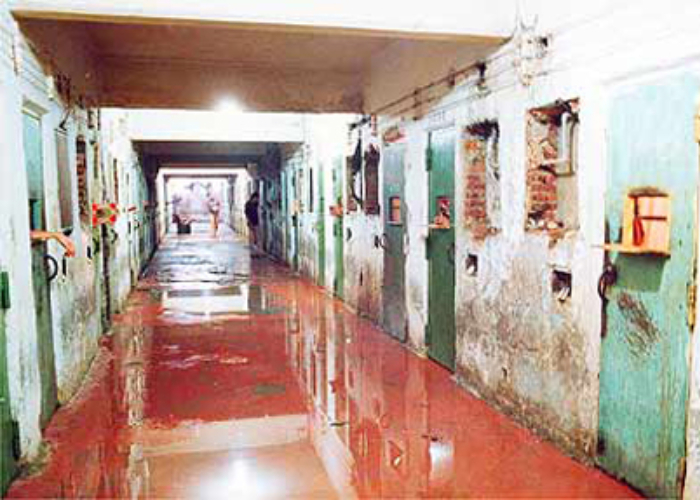
Cells have double steel doors, constant surveillance, and inmates are checked every 15 minutes. Prisoners get 90 minutes of exercise per day—alone, in a cage. With over 700 inmates serving life sentences, Black Dolphin is more fortress than prison. No one has ever escaped.
5. Gitarama Central Prison (Rwanda)
Originally built for 400 people, Gitarama Prison became infamous for cramming over 6,000 inmates into its crumbling walls after the Rwandan genocide. Prisoners slept standing up, standing in ankle-deep sewage. Many had open wounds or untreated infections.
Cannibalism was reported as food supplies became scarce. Fights broke out over scraps, and guards were either indifferent or abusive. Gitarama wasn’t a prison—it was a slow-motion death sentence.
6. ADX Florence (USA)
Nicknamed the “Alcatraz of the Rockies,” ADX Florence in Colorado is America’s most secure federal prison. It houses terrorists, cartel leaders, and serial killers—including Unabomber Ted Kaczynski and 9/11 conspirator Zacarias Moussaoui.
Inmates spend 23 hours a day in solitary confinement, in cells designed to prevent contact, escape, or even noise. Mental health issues are rampant, and many inmates break under the psychological pressure. Clean, high-tech, and meticulously controlled—ADX is proof that cruelty doesn’t always look like filth and chaos. Sometimes, it’s silence.
7. Tadmor Prison (Syria)
Located in the desert near Palmyra, Tadmor was one of the world’s most feared detention centers. Under the Assad regime, it became notorious for its torture, mass executions, and psychological abuse. Prisoners were blindfolded, beaten, and sometimes killed without trial.
In 1980, hundreds of inmates were massacred overnight in retaliation for a failed assassination attempt. Tadmor became a symbol of fear and oppression in Syria. Though it was demolished in 2015, survivors still carry the scars, both physical and emotional.
Lock Someone Away
These prisons aren’t just correctional facilities—they’re human rights nightmares. Inmates inside often serve far more than their sentences: isolation, abuse, starvation, and madness. While some are locked away for unthinkable crimes, others are political prisoners or victims of injustice. These institutions raise uncomfortable questions about punishment, cruelty, and what it means to lock someone away, possibly forever.