Introduction
Justice is supposed to protect the innocent and punish the guilty—but sometimes, the system fails. For every story of a cold case solved or a killer brought to justice, there’s another that leaves behind a chilling question: What if the wrong person is behind bars? In the world of true crime, wrongful convictions are some of the most heartbreaking and eye-opening cases. They remind us that the line between guilt and innocence isn’t always clear—and that the pursuit of justice can sometimes become its greatest flaw. Here are five powerful stories where justice got it wrong—and what happened next.
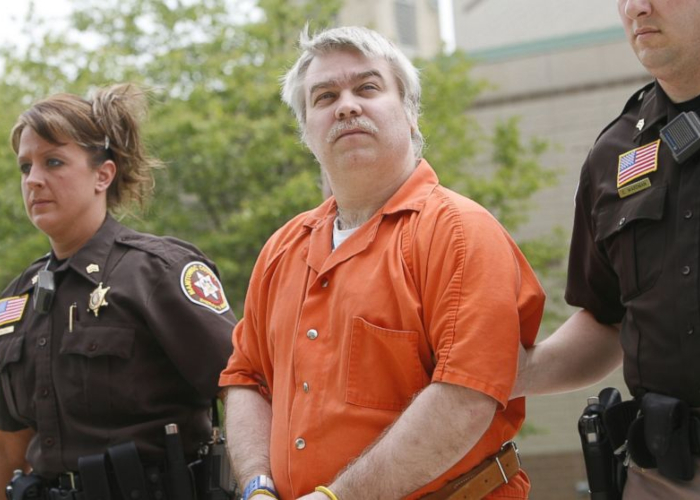
1. Steven Avery – The Making a Murderer Case
Steven Avery spent 18 years in prison for a sexual assault he didn’t commit, only to be exonerated in 2003 through DNA evidence. But just two years later, he was arrested again—this time for the murder of photographer Teresa Halbach. The Netflix series Making a Murderer brought global attention to the case, raising questions about police bias, planted evidence, and systemic corruption. Avery maintains his innocence to this day, and his legal battle continues.
Why It Matters:
The case exposed how bias and rushed conclusions can lead to repeated injustice, even after exoneration.
2. The Central Park Five (Now Known as the Exonerated Five)
In 1989, five Black and Latino teens were convicted of assaulting and raping a jogger in New York’s Central Park. Their confessions—obtained without legal counsel—were later proven false. In 2002, the real perpetrator confessed, and DNA confirmed it. The five men were fully exonerated after spending between 6 and 13 years in prison.
Why It Matters:
Their case highlights how race, age, and media pressure can contribute to rushed, wrongful convictions.
3. Richard Phillips – America’s Longest Wrongful Imprisonment
Richard Phillips spent 45 years in prison for a murder he didn’t commit. Convicted in 1972 based on false witness testimony, he was exonerated in 2018 after the real killer came forward. Phillips was released at age 71 and had to rebuild his life from scratch—learning modern technology, finding housing, and reconnecting with family.
Why It Matters:
It underscores the tragic cost of lost time—and how evidence hidden for decades can still save a life.
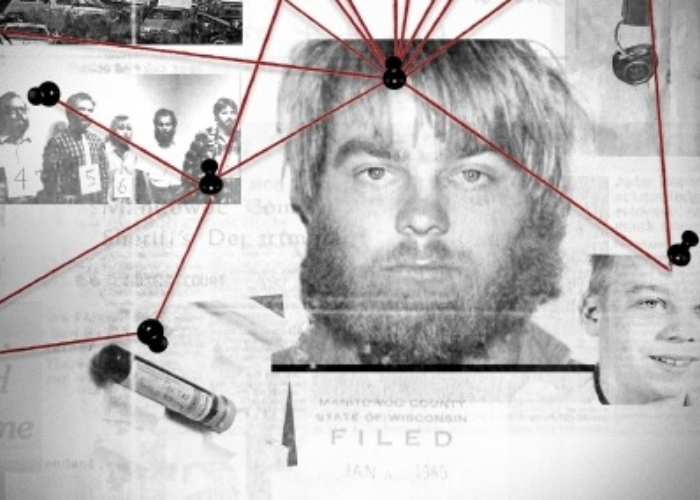
4. Amanda Knox – The Trial That Shook Two Continents
In 2007, American student Amanda Knox was accused of murdering her roommate in Italy. Her trial became an international media circus. She was convicted, acquitted, and convicted again before Italy’s Supreme Court finally cleared her in 2015. Though she was eventually freed, the damage to her reputation and mental health was immense.
Why It Matters:
Knox’s story shows how media pressure and cultural bias can warp the pursuit of justice.
5. Anthony Ray Hinton – 30 Years on Death Row for a Crime He Didn’t Commit
Hinton was convicted of two murders in Alabama based on flawed ballistics evidence. For three decades, he sat on death row, proclaiming his innocence. With help from the Equal Justice Initiative and attorney Bryan Stevenson, Hinton was exonerated in 2015. His story is now a symbol of resilience and redemption.
Why It Matters:
Hinton’s case reveals how poorly funded defense, racism, and bad science can destroy lives.
Human Rights Failures
Wrongful convictions aren’t just true crime tragedies—they’re human rights failures. Each of these stories represents years lost, reputations ruined, and justice delayed. But they also highlight something else: the power of perseverance, advocacy, and truth. As true crime continues to grow as a genre, it’s crucial to tell not just the stories of guilt, but those of innocence too.